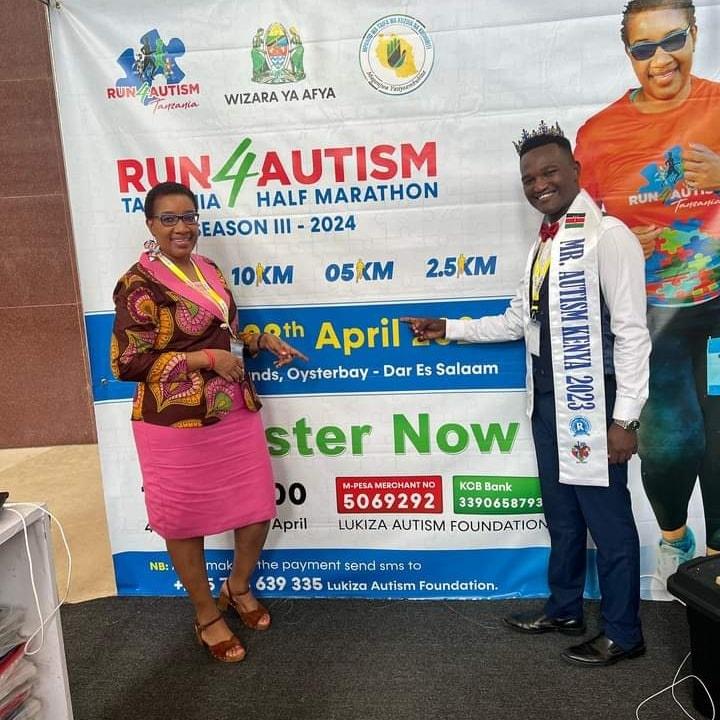


Autism is a natural part of human diversity. Millions of children, youth, and young adults around the world are autistic. Yet stigma, myths, and lack of inclusive opportunities continue to create barriers in education, healthcare, employment, and social life.
Parents and caregivers play a powerful role in shaping the future of autistic children. With the right information, acceptance, and advocacy, families can help their children grow into confident, independent, and capable adults.
This guide explains what autism is, clears common misconceptions, and provides strength-based strategies for supporting autistic children, youth, and young adults.
Autism—also known as Autism Spectrum Condition (ASC) or Autism Spectrum Disorder (ASD)—is a neurodevelopmental condition that affects how a person:
Autism is not a disease, not a mental illness, and not caused by parenting style. It is a lifelong neurological difference that begins early in development and continues into adulthood.
Autism exists on a spectrum, which means:
Some autistic individuals need daily support, while others live independently, work, and lead communities.
Many autistic people demonstrate powerful strengths, including:
With inclusive environments and understanding, autistic children and youth can succeed academically, socially, and professionally.
Autism is not a failure or a burden. Acceptance builds self-esteem, confidence, and emotional safety.
Autistic people communicate in many ways—spoken language, sign language, writing, gestures, or assistive devices.
Parents can help by:
All communication is valid.
Many autistic children thrive with structure and sensory-safe spaces.
Helpful strategies include:
Parents are powerful advocates. Advocacy helps secure:
Work with schools, colleges, workplaces, and policymakers to ensure inclusion.
Focus on abilities, talents, and interests.
Encourage:
Avoid forcing conformity—true growth comes from supporting individuality.
Autistic youth face higher risks of anxiety and burnout due to exclusion and misunderstanding.
Parents can:
Early planning supports smooth transitions into adulthood.
Support youth in:
Belonging builds confidence and leadership.
Connect children and youth to:
Your child is not broken.
They are different — and different is valuable.
With acceptance, advocacy, and opportunity, autistic children grow into empowered youth and capable adults who contribute meaningfully to society.
Author: NeuroInclusion Youth Network Foundation (NIYNF) TEAM
Category: Autism Awareness
Tags: Autism, Neurodiversity, Parental Support, Inclusion, Disability Rights, Mental Health, Youth Empowerment
Published: January 2026
© 2026 Neuroinclusion Youth Network Foundation (NIYNF)
Bright Minds, Bold Futures